Does Shampoo Cause Hair Loss?
Last Updated on August 7, 2025 by Derma Arts Team
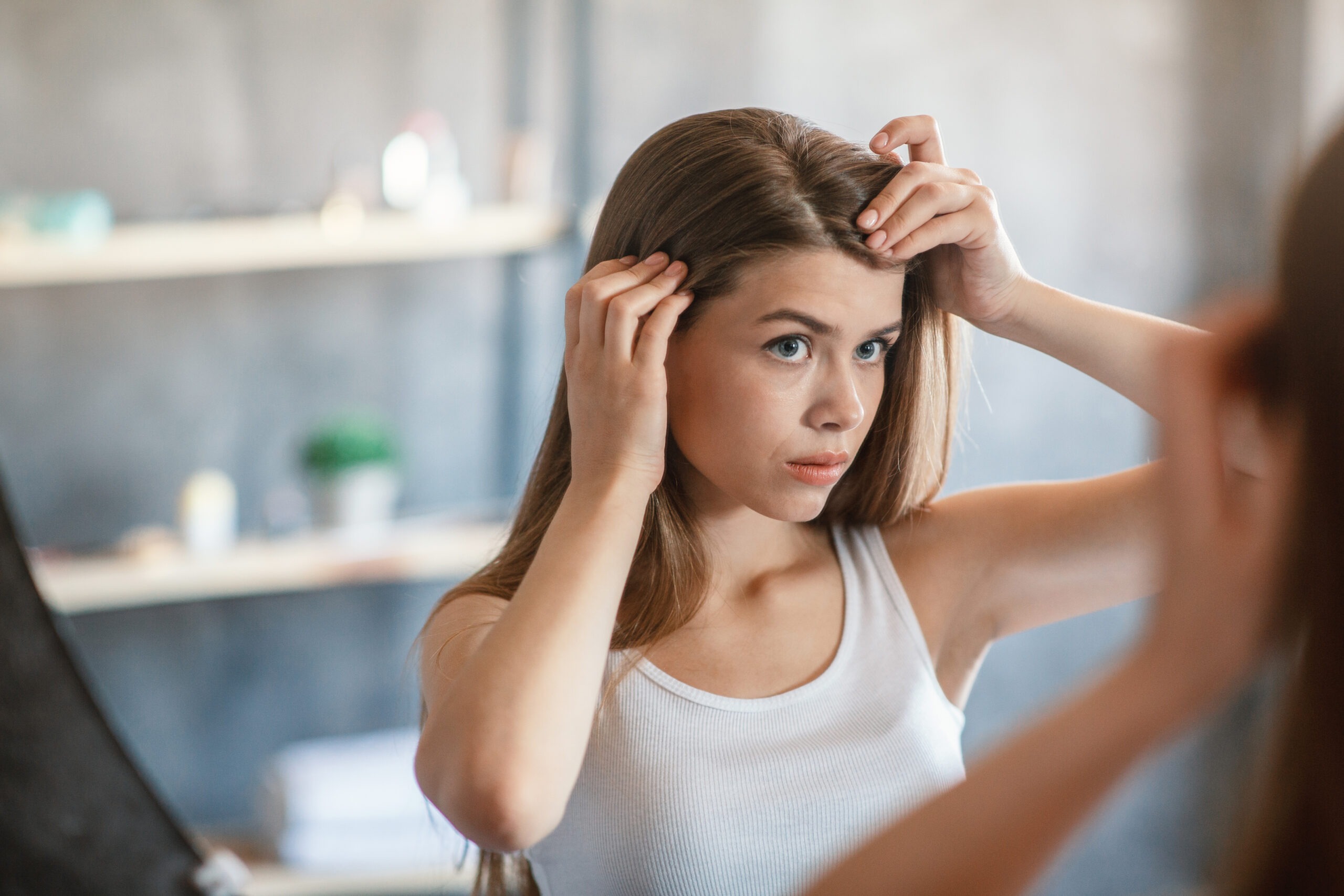
In your life, you may encounter some pretty peculiar questions. Is the Earth flat? One such question that you may encounter is Does shampoo cause hair loss? Now this question is not those black-and-white questions that you can put a stamp on and conclude your findings.
In 2016, the Food and Drug Administration (FDA) received around 1,400 complaints about hair cleansing products. These included reports of hair loss, breakage, baldness, itching, and rashes. Some of these issues may result from using certain shampoos and conditioners. However, the FDA stated that it could not confirm the exact cause of these reactions due to limited information and evidence.
Understanding the Complexity of Hair Loss
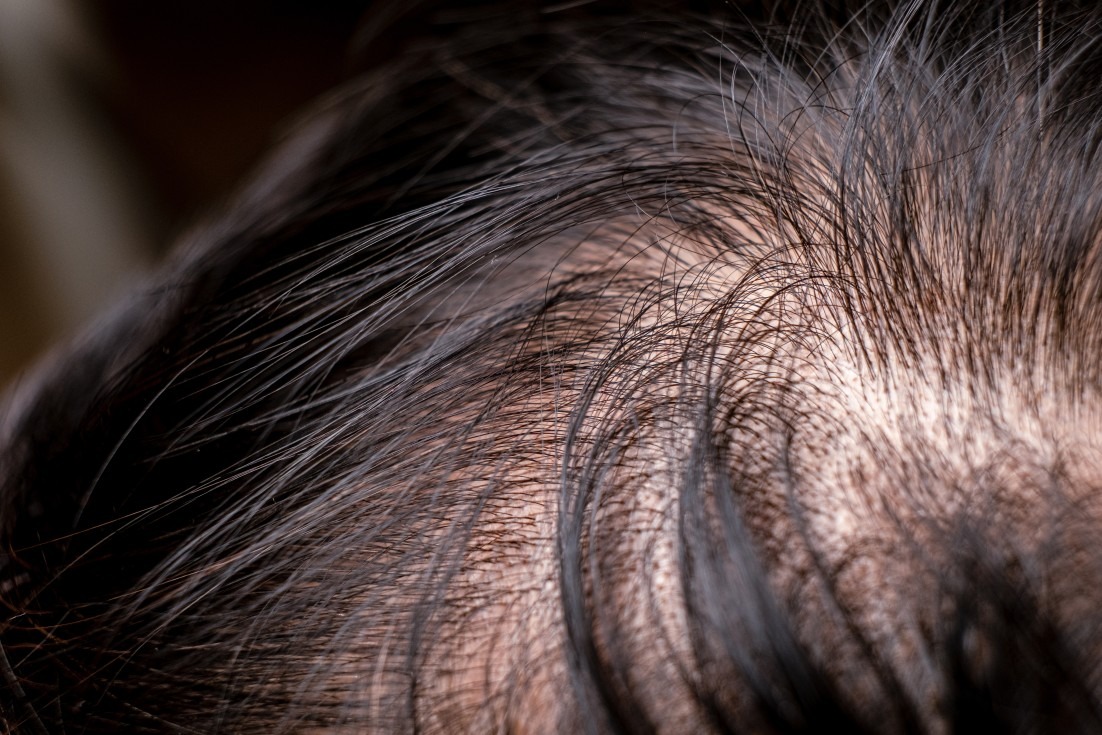
Hair loss is a complex issue with multiple discoveries and diagnoses associated with it. Hair loss can happen for many reasons — genetics, hormonal changes, sudden weight loss, chronic stress, fatigue, or lack of sleep. Surprisingly, even the shampoo you use can play a role.
It’s not always the shampoo itself, but certain ingredients in it that may worsen hair-related issues. One ingredient to be cautious of is parabens, which are known to be toxic. While the debate over switching to sulfate-free shampoos continues, it’s important to take a step back and consider the issue thoughtfully. For individuals with oily scalps, sulfate shampoos are essential.
The Role of Diet in Preventing Hair Loss
People with a normal scalp should avoid this ingredient because it tends to strip away the natural oils produced by the scalp. Avoid certain ingredients, including formaldehyde, formalin, Methylene glycol, and DMDM hydantoin.
Certain daily habits, such as certain dietary inclusions, may prevent alopecia. A 2018 study found that a diet high in raw vegetables and fresh herbs—like the Mediterranean diet—may reduce the risk of androgenic alopecia or delay its onset.
Consult a Doctor Before Supplementing
The main component of hair follicles is Keratin. A 2017 study of 100 individuals with hair loss revealed several nutritional deficiencies, including a lack of amino acids—the building blocks of protein. Vitamin A contains retinoids, which help with healthy hair growth and influence the hair cycle.
However, it is dose-dependent, which means that too much or too little might harm your hair. It’s unlikely that you’ll get too much vitamin A from food. Vitamin A-rich foods such as sweet potato and spinach should be on your plate.
Essential Vitamins and Minerals for Hair Growth
Scientists have found that certain vitamins and minerals are vital for hair growth and retention. They support healthy cell turnover, which is essential for strong hair. Key nutrients include iron, selenium, zinc, and vitamins A, B, C, and D. Multivitamins are widely available at grocery stores and pharmacies. However, it’s best to consult a doctor before starting any supplements.
It’s important to avoid excessive washing of your hair with hot water. Additionally, frequent use of heat-styling products should be minimised. Experts have identified stress as one of the main causes of hair loss. Severe stress, whether caused by emotional challenges like depression and anxiety or physical trauma, can interrupt the natural hair growth cycle and result in excessive hair shedding.
Importance of Healthy Cell Turnover
While it’s normal to lose some hair daily as part of the natural hair cycle, stress can significantly speed up this process. However, noticeable or sudden Does Shampoo Cause Hair Loss is not typical. If you suspect your shampoo is contributing to hair fall, it’s best to stop using it and consult a dermatologist.
The Role of Nutrients in Hair Health
A full head of thick, shiny, and voluminous hair is often considered a symbol of confidence for both women and men. At some point, we all become hair-conscious, constantly looking for ways to achieve a look that turns heads. But despite our obsession with products, most experts agree — true hair health starts from within.
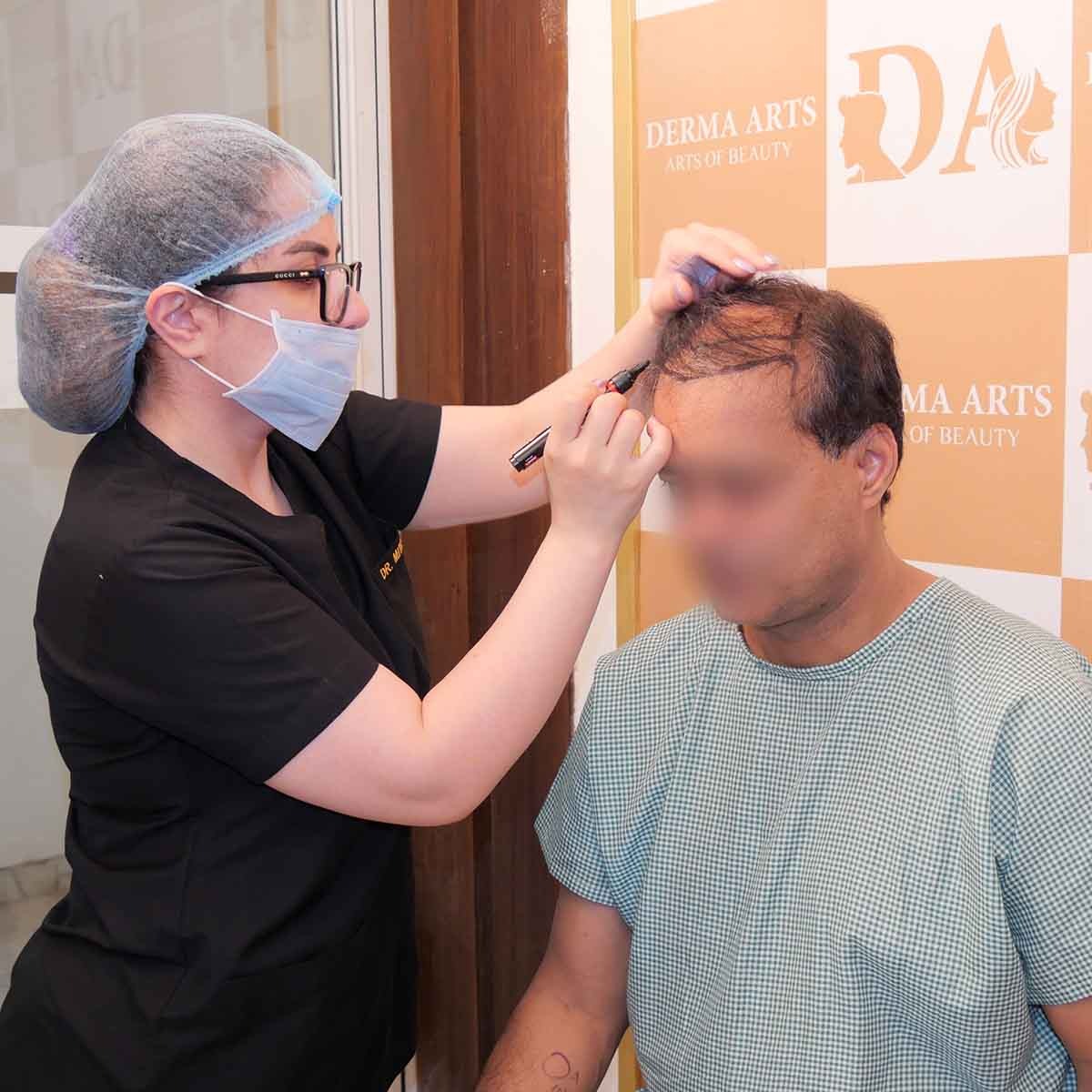
Even if your hair is thinning or shedding, the good news is that it often improves with a nutritious diet and healthy lifestyle changes. Your dermatologist is your best guide to determine the reason for your hair loss. Oftentimes, we are deluded by the illusion of what could and could not be the causative agent. Consult our renowned dermatologist, DR Mitra Amiri, for further information and suitable hair treatment in Delhi.



 Chat on WhatsApp