

How to Stop Hair Fall in Men & Women: Causes, Treatments & Daily Care
Last Updated on November 26, 2025 by Derma Arts Team
How to Stop Hair Fall. Many individuals experience hair loss issues across various age groups. Research shows that 58% of Indian adult males aged between 30 and 50 exhibit signs of male pattern baldness, known as androgenetic alopecia. Additionally, findings reveal that a significant number of women also struggle with hair thinning and decreased volume, with 60.8% reporting low hair density as a concern.
Several factors can contribute to How to Stop Hair Fall in Delhi, including nutritional deficiencies, hormonal imbalances, stress, and certain medical conditions. To effectively treat hair loss in Delhi, it is crucial to have a clear understanding of the underlying causes. This blog offers valuable natural methods to prevent hair loss and promote stronger, healthier hair.
Symptoms and Causes of Hair Fall
Hair loss can occur in localised areas on the head or can affect the entire body. It may develop suddenly or gradually over time. To effectively manage hair loss, it is crucial to recognise the symptoms clearly and to understand the underlying causes thoroughly.
Here are some to consider:
Symptoms of Hair Fall
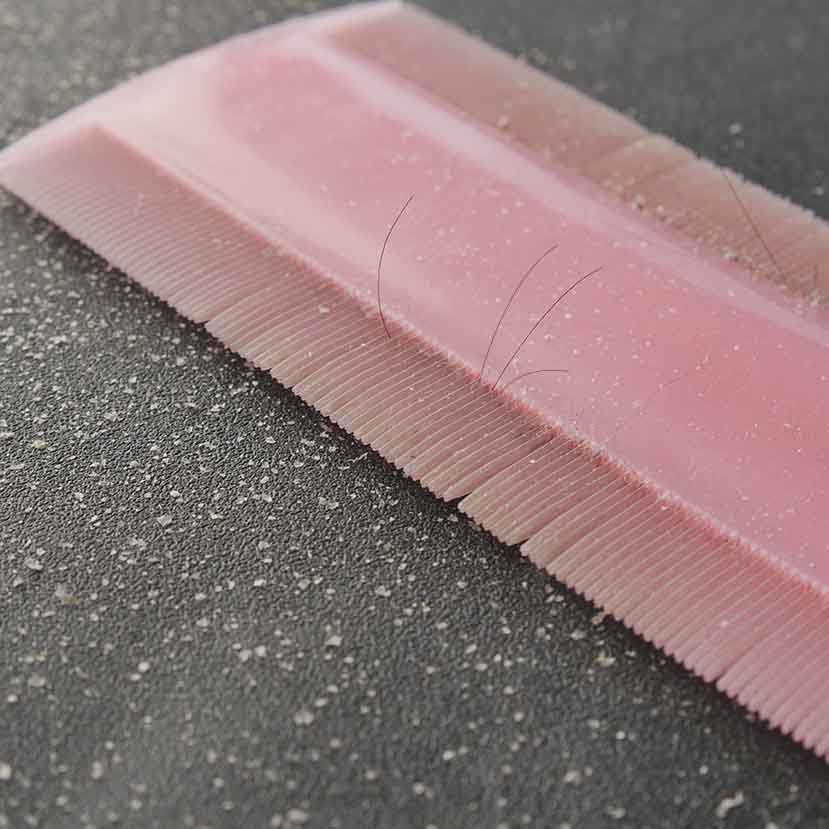
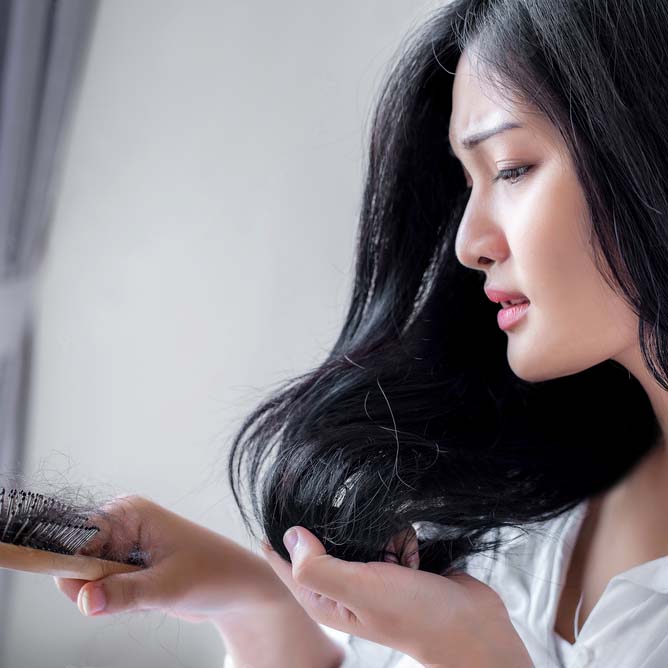
- Visible Hair Strands: You can easily identify hair fall by finding hair strands on your pillow case and hair comb throughout your room, and in your drain. Visible hair strands appear as the primary warning sign that shedding has amplified.
- Gradual Thinning: Anyone suffering from androgenetic alopecia, along with others, may detect their hair thinning developing progressively over time. A man’s hairline tends to recede or he loses his crown hair, while women see their hair become denser and lose its thickness by developing thinner strands.
- Bald Spots: Bald spots in specific locations evolve either immediately or through gradual development. Bald patches of differing dimensions often symbolise progressive hair loss manifestations.
- Itchy or Irritated Scalp: Underlying issues that harm hair follicles sometimes manifest through continuous itching or irritated skin. The damage to hair follicles intensifies when individuals scratch their scalp.
- Emotional Impact: When people lose their hair, it causes serious psychological stress to their mental status. People endure additional stress alongside anxiety or experience depression because their physical looks and their sense of self-worth have altered.
Causes of Hair Fall
Understanding the causes is critical to preventing or treating effectively.
Genetics (Androgenetic Alopecia): Male-pattern or female-pattern baldness forms as one of the main genetic causes that leads to hair loss.
Hormonal Changes: Women experience hair loss because of the normal hormone changes they encounter during pregnancy, childbirth, menopause and polycystic ovary syndrome (PCOS).
Medical Conditions: The hair growth cycles can be disrupted by medical conditions, such as thyroid disorders, autoimmune diseases, and infections.
Medications and Treatments: Permanent or temporary hair loss is a common side effect of certain drugs prescribed for depression and heart disorders, arthritis, and chemotherapy treatment.
Nutritional Deficiencies: The lack of vital nutrients such as iron and zinc with protein, and vitamins in your diet will lead to poorer hair condition.
Other Contributing Factors
Stress and Psychological Disorders: Hair loss can become more rapid due to emotional stress, together with medical conditions such as trichotillomania (hair-pulling disorder).
Tight Hairstyles: Too much pressure from tight buns and ponytails, together with braids, creates traction alopecia as they force continuous stress upon the hair.
Harsh Treatments: Hair damage occurs through excessive chemical treatments, including perming, colouring, and straightening, which weaken the hair shafts while causing additional hair breakages.
People need to understand these special variables to effectively address hair loss, along with developing proper hair growth patterns.
How to reduce hair fall and enhance hair health
Managing hair loss becomes simpler by adopting protective hair care practices that help protect your hair and promote its overall health. Here are essential tips to help you prevent hair fall:
1. Ditch Hairstyles That Pull Too Hard
Braids, cornrows, and high ponytails can create a stylish look, but over time, they can damage your hair due to constant tension. Tight hairstyles pull at the hair roots, weakening their connection to the scalp and leading to traction alopecia. Excessive stretching of your hair can cause permanent damage, even though hair is elastic. Opt for hair accessories that allow for movement without tightening your strands.
2. Say No to Excessive Heat Styling
Straighteners, curling irons, and blow dryers can strip moisture from your hair due to their high temperatures, leading to dry and brittle strands. When exposed to heat, hair shafts expand as they lose internal moisture, which damages the delicate strands. It’s best to let your hair dry naturally whenever possible and to use heat styling tools only for special occasions. Applying a heat protectant spray can help reduce the damage caused by these tools. Additionally, your hair benefits from exposure to cooler air.
3. Limit Chemical Treatments
Transforming your hair with basic chemical treatments like bleaching, dyeing, and perming may create beautiful results, but it can also cause significant damage. These treatments break down the keratin protein structures that help maintain hair strength, leading to brittle strands. If you’re worried about hair loss, consider whether you want to protect your natural hairstyle or explore semi-permanent alternatives.
4. Choose the Right Shampoo
The health of your hair is greatly influenced by the type of shampoo you use. Over-washing your hair can strip away essential natural oils from both your hair and scalp, which are important for maintaining their health. Opt for shampoos that are free from harsh sulfates and choose milder formulas that suit your hair type. Additionally, look for products that contain natural ingredients to promote hair growth. By selecting the right shampoo, you can help prevent significant hair loss.
5. Brush Gently with Natural-Fibre Tools
A brush made from natural fibres can work wonders for your hair. Brushing carefully helps distribute the natural oils from your scalp, which smooths the cuticle surface and enhances shine. Start brushing at the roots and gently work your way to the ends to maintain your hair’s natural strength. Be gentle and allow your hair to relax.
6. Explore Low-Level Light Therapy (LT)
The revolutionary methodology of LLLT represents a new way of treating conditions associated with balding. The non-invasive procedure stimulates cell regeneration to particularly benefit individuals with male or female pattern baldness. This method develops hair density and stimulates new hair growth over an extended application.
7. Massaging the Scalp
Regular scalp massages are an effective way to prevent hair loss and promote follicle health, which encourages healthy hair growth. These massages improve blood circulation, leading to better delivery of nutrients that result in stronger, thicker hair. By using natural oils such as coconut, castor, and rosemary oil during your massage, you provide additional nourishment to your hair.
To massage your scalp, gently use your fingertips for 5-10 minutes, 2-3 times a week. This practice not only nourishes your scalp but also offers support against hair loss. By incorporating regular scalp massages into your routine, you can significantly improve hair quality and reduce hair loss.
8. Avoiding Crash Diets
Eating fewer than 1200 calories in crash diets leads to a nutrient deficiency, such as protein,s fatty acids and zinc. The body needs these nutrients to develop strong, healthy hair. Short-term weight reduction through crash diets results in neither sustainable outcomes nor benefits for hair health over time. Problems with hair shedding appear when diets that limit food consumption don’t deliver essential nutrients needed for hair maintenance.
Home Remedies for Hair Loss
Natural home remedies provide a beneficial first step for managing hair loss with benefits that reduce shedding and support hair well-being. You need to consult a doctor to receive a proper diagnosis so you can select the most effective treatment for your hair loss condition. Here are some popular and accessible remedies you can try to control hair fall:
1. Aloe Vera
The natural properties of aloe vera help reduce dandruff while restoring healthy hair growth by dissolving oil-clogged facial follicles. Prepare aloe vera gel by extracting it directly from leaves, then apply it straight onto both your hair and scalp. Apply the aloe vera for thirty minutes before you wash it off with lukewarm water. Regular usage of aloe vera twice or thrice per week refreshes your scalp to enhance hair quality and establishes itself as your primary treatment for both scalp health and overall hair wellness.
2. Coconut Oil
Your hair receives deep nourishment from coconut oil that combats protein loss while strengthening hair shafts to stop breakage. To enhance scalp circulation while treating dryness, apply modestly heated coconut oil for a gentle massage to your scalp. Let the coconut oil treatment stay on your scalp for one hour before washing your hair with a mild shampoo. An overnight application ensures increased absorption. The treatment can be applied twice weekly to help maintain hair hydration and build strength against breakage while delivering improved shine to your hair.
3. Onion Juice
The sulfur content of onion juice strengthens hair follicle blood circulation and makes roots healthier while stimulating growth. You need to blend an onion before extracting juice that you can then apply to your scalp. Leave the onion juice solution on your head for between 20 to 30 minutes, and finally wash it all out with a gentle shampoo. The onion juice application should happen twice weekly when you want to see hair volume and strength improvements, primarily in cases where poor circulation or weak follicles cause hair loss.
4. Fenugreek Seeds (Methi)
Hair growth needs protein and nicotinic acid, which Fenugreek seeds provide in abundance. You need two tablespoons of seeds that you must soak overnight before grinding them into a paste for application to your hair and scalp. The treatment requires 30 minutes of mask wear before rinsing off the mixture using water. The periodic use of this natural remedy allows you to minimise hair loss while it nourishes your hair roots and creates smooth, healthy hair.
5. Egg Masks
Egg-based hair masks provide proteins that fix hair damage while stimulating hair development. Mix one egg with one tablespoon of olive or coconut oil before combining them. Evenly spread the mixture over your hair and scalp and let it sit for thirty minutes before shampooing with a mild formula. A weekly application of this mask results in strengthened and hydrated hair that looks shiny while treating brittle or thinning conditions effectively.
6. Green Tea Rinse
Antioxidants present in green tea support scalp wellness and stimulate hair growth. After applying shampoo to your hair, rinse with a cooled solution of brewed green tea that is soaked in two tea bags. This easy weekly hair treatment revitalises your scalp while minimising thinning, along with its antioxidant properties that protect Stop Hair Fall Naturally against harmful free radicals.
7. Rosemary Essential Oil
The application of rosemary extract promotes blood circulation through the scalp and builds up hair follicle strength, which promotes natural hair regeneration. Massage your scalp with a combination of rosemary oil mixed with coconut oil or jojoba oil. Leave the mixture on your head for thirty minutes, then rinse it with shampoo. A twice to three times weekly application of this solution helps avoid hair thinning while boosting hair follicle health to treat hereditary deficits and alopecia-based cases effectively.
8. Castor Oil
The ricinoleic acid content in castor oil both stimulates blood flow to the scalp and fortifies hair strands while guarding against split ends. Heat the oil gently before generously applying it both to your scalp and throughout your hair. Castor oil needs only one hour to soak into your hair, or you can leave it overnight before washing it away with shampoo. Regular castor oil applications help increase hair density and health while reducing hair breakage to deliver effective healing for dry or Stop Hair Fall Naturally.
9. Hibiscus Flowers
Hibiscus flowers protect Stop Hair Fall Naturally and repair split ends as well as stimulate hair regrowth. Open fresh hibiscus flowers and mix them with coconut oil to create a paste that you can apply to your scalp. Soak your hair for thirty minutes with the mixture, then wash it out completely using water. The application of this mix helps damaged hair by building root strength while adding lustre to your hair and fostering new hair growth.
10. Apple Cider Vinegar
An apple cider vinegar solution restores scalp pH balance to eliminate dandruff and develop both smooth hair texture and shiny appearance. Dilute two tablespoons of ACV into a cup of water to make a rinse that should be applied after shampooing. Wait for at least three minutes while the solution settles before you rinse with cool water. Including this remedy as part of your weekly schedule enables scalp cleansing as well as supports hair texture improvement and stops hair thinning.
11. Curry Leaves
Beta-carotene and protein content in curry leaves function to increase hair strength while stopping hair Fall Naturally. Heating coconut oil with a handful of curry leaves until they turn darker will give you the base for a scalp massage. Keep the application on your hair for 30 minutes before you wash it with shampoo. This treatment applies two times per week to revitalise hair follicles while giving your tresses a beautiful, natural finish.
12. Neem Leaves
The antifungal and antibacterial compounds present in neem leaves treat dandruff and scalp infections, thereby promoting healthy hair growth. After boiling neem leaves in water, let the solution cool before using it as your shampoo rinse. Weekly applications help both purify the scalp and stimulate hair follicles to decrease infection-related Stop Hair Fall Naturally.
13. Amla
Vitamin C and antioxidants found in amla help preserve hair strength while also slowing down the greying process. Pour two tablespoons of amla powder into a mixture with water or coconut oil to create a paste. When using this mixture, apply it to your scalp and hair for thirty minutes before washing it out. By using amla products once per week, they rejuvenate the hair follicles while strengthening the structure against splitting and delivering sustainable gloss.
Can you reverse the Hair Loss and Its Effects?
A person’s ability to treat Stop Hair Fall Naturally differs based on what condition that caused their hair loss. The treatments combined with appropriate lifestyle adjustments help to prevent hair fall that develops from various factors such as stress, hormonal imbalances and nutrient deficiencies. After treating the original issue, hair loss due to hormonal changes from pregnancy or stress, ends up reversing naturally. By introducing necessary nutrients into the diet through food or supplements, one can fix deficiencies that lead to the regrowth of hair.
The treatment of pattern baldness through androgenetic alopecia stands as difficult for a full reversal, but minoxidil and finasteride, along with low-level laser therapy, help slow down the condition while working towards regrowth. Timely treatment proves essential for achieving improved results.
People who practice good lifestyle habits consisting of proper nutrition combined with stress-reduction techniques and moderate haircare treatments will achieve maximal hair regrowth. A diagnosis of the correct cause requires consultation with either a dermatologist or trichologist, who will provide the most suitable treatment options. Targeted hair loss treatments succeed in restoring and sustaining hair density despite their inability to address every case of permanent hair loss.
Conclusion
Effective management skills can help individuals control hair loss, even when it feels distressing. By combining healthy eating habits with proper hair care routines and avoiding unnecessary treatments, people can manage hair loss effectively. Additionally, maintaining scalp hygiene is crucial. Natural remedies and specialised medical therapies have shown significant promise in promoting hair growth and enhancing overall hair health.
Consulting a specialist or dermatologist is essential for personalised treatment, especially for severe hair issues or conditions that do not improve with standard remedies. Consistently adopting proactive hair care practices leads to better overall hair health in the long run.
FAQS on How to Control Hair Fall & Loss
What are the most common causes of hair fall?
Multiple factors cause hair loss, among which genetics through androgenetic alopecia stands alongside hormonal fluctuations such as those seen during pregnancy, menopause, and PCOS in addition to stress and dietary deficiencies of iron and zinc and protein and medical conditions that involve thyroid irregularities and autoimmunity, as well as damaging chemical treatments and overheating methods.
How can I stop hair fall naturally?
Naturally, preventing hair fall requires a balanced diet containing vitamins, minerals, and protein, and excludes harsh treatment, while scalp massaging with coconut or castor oil combined with a careful selection of hair care products and stress management practices through relaxation and physical activity.
Can Pregnancy Cause Hair Loss?
Pregnancy can lead to a temporary condition known as hair loss. During pregnancy, women often notice thicker hair due to hormonal changes. However, after giving birth, the decrease in hormone levels can result in a type of hair shedding called telogen effluvium. New mothers typically experience hair loss sometime between delivery and six months postpartum, with the shedding lasting for several months. Additionally, pregnancy may sometimes trigger the development of conditions such as alopecia areata.
Does Shampoo Cause Hair Loss?
Using the right shampoo can significantly improve the health of your hair. Sulfate-based shampoos tend to strip away essential oils, leading to dryness that can increase breakage and hair loss. Opting for a sulfate-free shampoo that is specifically designed for your hair type can help protect scalp health and minimise hair loss.
When should I consult a dermatologist for hair loss?
A Stop Hair Fall Naturally consultation is essential when hair loss continues and is accompanied by skin discomfort, bald spots, or significant thinning. A trained professional can determine the underlying causes of your hair loss and recommend appropriate treatments, which may include medications and therapies, along with suggested lifestyle changes.


 Chat on WhatsApp