Dandruff and Hair Loss: Are They Really Linked?
Last Updated on December 28, 2025 by Derma Arts Team
Dandruff and Hair Loss and reduced hair volume have become increasingly common across all age groups. While stress, hormonal imbalance, and genetics are well-known contributors to thinning hair, dandruff is often an overlooked yet irritating factor that can worsen hair fall. Although many people follow detailed skincare routines, scalp health is frequently neglected—leading to issues such as dandruff, itching, and excessive hair shedding.
Shedding ,up to 50–100 hair strands daily is considered normal when the scalp is healthy. However, if you notice excessive flakes accompanied by more hair loss than usual, dandruff could be playing a role. While dandruff affects the scalp and hair loss affects the follicles, the two conditions are closely connected. In fact, an unhealthy scalp environment caused by dandruff can accelerate hair fall.
Let’s understand how dandruff and hair loss are linked—and how you can treat and prevent them effectively.
Understanding the Link Between Dandruff and Hair Fall
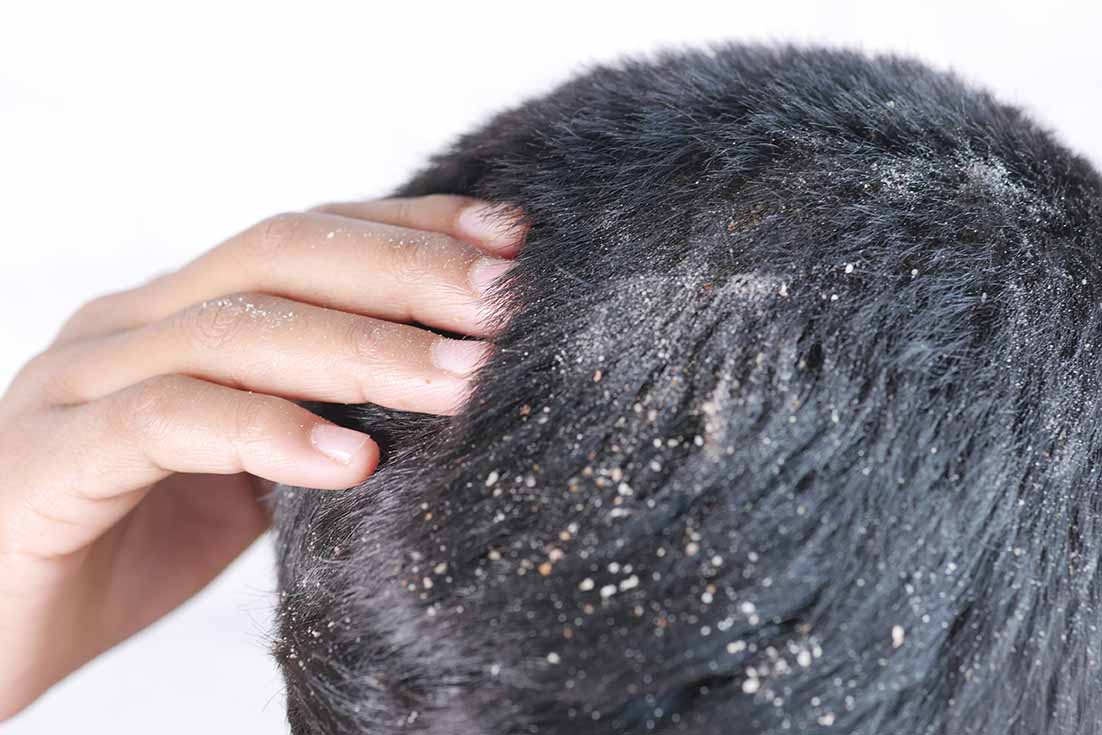
Dandruff is a common scalp condition characterised by white or yellow flakes, itchiness, and irritation. Although dandruff alone does not directly cause permanent hair loss, constant itching and inflammation can weaken hair roots. Excessive scratching damages hair follicles, leading to temporary hair fall.
In individuals with androgenetic alopecia (male or female pattern hair loss), dandruff can worsen hair shedding by creating an inflamed, oily, or dry scalp environment. This is why many people notice increased hair strands on their pillows or combs when dandruff flares up.
What Causes Dandruff?
Several factors contribute to dandruff, including:
- Dry scalp and lack of moisture
- Fungal overgrowth (Malassezia yeast)
- Seborrheic dermatitis (oily dandruff)
- Sensitivity to hair care products
- Stress and weakened immunity
- Poor scalp hygiene
- Skin conditions such as psoriasis or eczema
Secondary dandruff caused by nutritional deficiencies (like biotin deficiency) or fungal infections can also trigger temporary hair fall.
Additionally, people experiencing hair loss sometimes avoid washing their hair out of fear of shedding more strands. This can worsen dandruff buildup. Certain hair loss treatments, such as minoxidil, may also cause scalp dryness and flaking if not managed properly.
When Scalp Problems Affect Hair Health
Persistent scalp inflammation disrupts the hair growth cycle. Over time, weakened follicles may enter the shedding phase prematurely, leading to noticeable thinning. Conditions like seborrheic dermatitis and scalp psoriasis are particularly associated with increased hair fall if left untreated.
How to Control Dandruff and Reduce Hair Fall
Hydration and moisturization: One of the reasons for dandruff is a dry scalp. Salicylic acid, one of the ingredients in anti-dandruff shampoos, can dry up your scalp. Use coconut oil to massage your scalp to increase the flow of blood to the area. Coconut oil contains antifungal properties that help fight dandruff. Search for a conditioner that is suitable for your hair type to increase hydration to your scalp.
Avoid Using Harsh Hair Care Products: Your hair care products may contain sulphates, preservatives, perfumes, and colours that can irritate the scalp and result in contact dermatitis. Don’t use harsh products instead use soft hair care.
Stress Management: Although stress doesn’t directly cause dandruff, it does compromise your immune system and make your scalp more susceptible to fungus. Use yoga, meditation, or deep breathing techniques to reduce stress.
Use of Medicated Shampoos: If you have a mild case of dandruff, switch to medicated shampoos that contain ingredients such as Pyrithione Zinc, Salicylic Acid or Ketoconazole.
Always follow the directions on the shampoo bottle, as the effectiveness of some anti-dandruff shampoos depends on how long you leave them on the scalp.
Select Herbal Shampoos: Use herbal shampoos with anti-dandruff hair loss aspects if your scalp is intolerant to chemicals. Check for natural products with properties such as Neem, Aloe vera, Reetha, Bhringraj, Turmeric, Rosemary oil, Mint, Amla, etc.
Types of Dandruff That May Contribute to Hair Fall
Once you eliminate the causes of hair fall, you can control hair fall. The lost hair will grow back. To see new strands, though, will require some perseverance over a few weeks. A proper hair care routine, a nutritious diet, natural remedies, and the right products for hair care can all help in promoting hair growth.
While mild flakes are usually harmless, certain forms of dandruff are more aggressive:
- Dry Skin-Related Dandruff: Common but less damaging
- Oily Scalp Dandruff: Can clog follicles, affecting hair growth
- Fungal Dandruff (Seborrheic Dermatitis): Often leads to inflammation and more severe hair issues
- Product Buildup Dandruff: Results from excessive use of hair products, restricting follicle health
Can Anti-Dandruff Shampoos Cause Hair Fall?
Some anti-dandruff shampoos cause hair loss and shampoos contain strong ingredients like selenium sulfide. While safe for short-term use, prolonged or incorrect usage may lead to dryness and increased hair fall. Always consult a dermatologist if dandruff persists despite treatment.
When to See a Dermatologist?
Dandruff-related hair fall is usually temporary, but excessive or prolonged shedding requires professional evaluation. Misdiagnosing dandruff as another scalp condition can worsen hair loss.
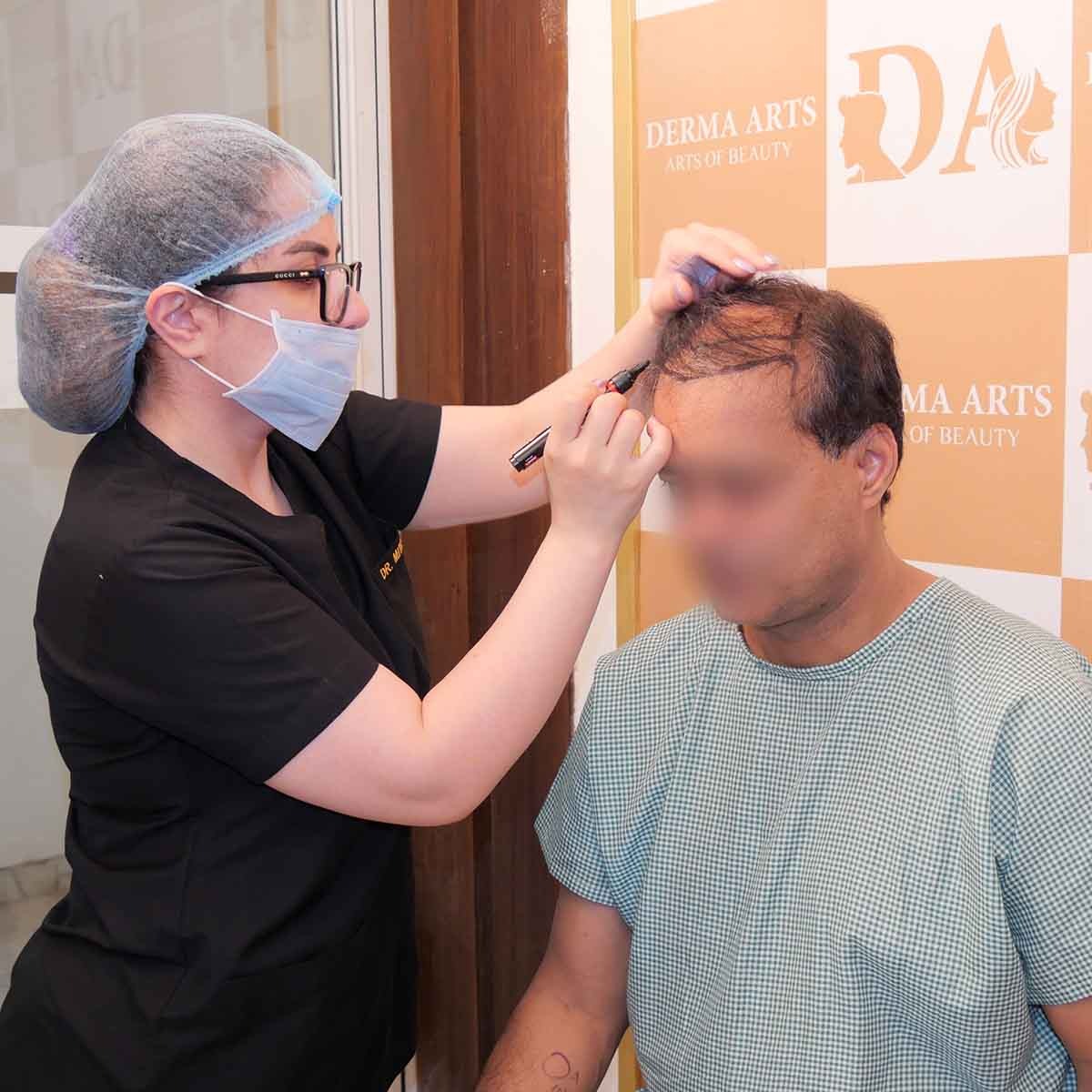
If you experience persistent itching, flakes, or thinning hair, consult Dr. Mitra Amiri, one of the best dermatologists in Delhi, at Derma Arts Clinic. Early diagnosis and customised treatment can restore scalp health and prevent further hair loss.
Frequently Asked Questions (FAQs): Dandruff and Hair Loss
Q1. Can dandruff really cause hair loss?
Dandruff does not directly cause permanent hair loss, but it can create an unhealthy scalp environment. Persistent itching, inflammation, and scratching weaken hair follicles, which may lead to increased hair shedding if left untreated.
Q2. Is hair fall due to dandruff permanent?
No, hair fall caused by dandruff is usually temporary. Once the dandruff and scalp inflammation are treated properly, hair growth typically resumes within a few weeks.
Q3. How can I tell if my hair fall is due to dandruff?
If you notice excessive flakes, scalp itching, redness, and more hair shedding than usual, dandruff may be contributing to hair fall. A dermatologist can confirm the exact cause through scalp examination.
Q4. Does dandruff worsen male or female pattern hair loss?
Yes, dandruff can worsen existing conditions like androgenetic alopecia by increasing scalp inflammation and oil imbalance, which may accelerate hair thinning.
Q5. Can anti-dandruff shampoos cause hair fall?
Anti-dandruff shampoos are safe when used correctly. However, prolonged or excessive use of strong formulations may dry the scalp and increase temporary hair shedding. Always follow medical advice.
Q6. What is the best treatment for dandruff-related hair fall?
Treatments include medicated shampoos, scalp therapies, PRP, GFC therapy, and customised dermatological solutions. The best treatment depends on the severity and underlying cause.
Q7. How long does dandruff-related hair fall last?
Seasonal or dandruff-related hair fall usually lasts 4–8 weeks. If it continues beyond this period, professional evaluation is recommended.
Q8. Can stress cause dandruff and hair loss together?
Yes, stress weakens the immune system and increases fungal activity on the scalp, which can trigger dandruff and worsen hair fall.
Q9. Should I oil my hair if I have dandruff?
Yes, but only with dermatologist-recommended oils. Coconut oil can help reduce dryness and fungal growth, while excessive oiling may worsen oily dandruff.
Q10. When should I consult a dermatologist for dandruff and hair fall?
If dandruff persists despite home care, or if hair fall becomes excessive, itchy, or painful, consult a dermatologist for accurate diagnosis and personalised treatment.
Q11. Who is the best dermatologist in Delhi for dandruff and hair fall treatment?
Dr. Mitra Amiri at Derma Arts Clinic is a leading dermatologist in Delhi, offering advanced treatments for dandruff, scalp disorders, and hair fall with proven results.
Q12. Can dandruff be completely cured?
Dandruff can be effectively controlled with proper treatment and maintenance. While it may recur due to lifestyle or weather changes, long-term control is achievable with professional care.



 Chat on WhatsApp