

Permanent Skin Whitening Treatment
Last Updated on December 20, 2025 by Derma Arts Team
Permanent skin whitening treatments have become widespread among people who wish to have lighter skin or those who suffer from high pigmentation. These treatments are considered permanent, but they may require upkeep and vary in effectiveness. From chemical peels, laser therapies, injections, and topical ointments, each method has its benefits for the skin and its drawbacks. These treatments are very important, and knowing more about them in terms of scientific explanation, advantages, and risks involved is important to every individual. In this article, discover the various permanent skin whitening treatment procedures, their risks, and possible alternatives to decide what is suitable for your skin.
Understanding Permanent Skin Whitening: Is It Possible?
Permanent skin whitening treatment is the process of skin bleaching or depigmentation, though it does not offer as temporary as lotions or tangible whitening systems. However, the permanent changes that can truly make a difference can be hard to achieve. Nevertheless, invasive treatments like laser therapy, chemical peeling, and certain injections deliver long-lasting results, but factors such as sun exposure, aging, and poor diet can still affect pigmentation.
Most of these treatments act in a manner that hinders melanin formation in the skin, lessens melanin production, or erases pigmented skin layers. Yet, it is not always consistent, and individuals may need future top-ups to set the desired pitch. Also, both methods come with certain dangers, such as skin allergic reactions and the possibility of blotting. Lastly, the concept of a permanent outcome addresses the method, skin type, and other care presupposing the treatment.
Top Permanent Skin Whitening Treatments
Skin lightening is something that the individual can decide, and if someone is willing to go for a skin whitening treatment, it is easy for them today. Both methods work differently, so it is essential to understand each skin whitening treatment, its before-and-after results, and the potential risks linked to them.
1. Chemical Peels
Chemical peels are popular as a permanent skin whitening treatment because they remove dead skin cells. In this process, a controlled chemical solution is applied to the skin, causing mild, controlled damage that makes the outer layer peel off. As the skin sheds, a new, healthier layer emerges, often with a lighter tone. These peels are classified based on depth—light, medium, or deep—depending on the level of treatment required. Chemical peels are often useful for skin lightening, having glycolic acid, salicylic acid, and trichloroacetic acid. In most cases, chemical peels are quite helpful, but a professional must conduct them to minimize the possible consequences such as undue peeling, skin irritation, or development of scars.
2. Laser Treatments
Laser therapies involve irradiation of light beams that reduce melanin accumulations or pigmented skin and promote skin regeneration. Lasers such as CO2 and Q-switched lasers are reputable and are green-lit by the FDA for skin lightening. Laser energy specifically treats dark spots and pigmented areas without harming healthy skin cells and helps to produce an improved skin texture. Also, the use of lasers promotes the formation of collagen, which leads to skin conditions and the reduction of marks such as wrinkles and scars. Laser treatments can give great skin whitening results in Delhi that could last for years. However, these treatments may call for multiple sessions each, and certain possible side effects include redness, sensitivity, or even PIH, although quite rare. It is, therefore, advisable to consult a certified dermatologist before engaging in laser therapies.
3. Microdermabrasion
Microdermabrasion is a relatively gentle procedure that removes the outermost layer of the skin. One uses a handheld device to direct tiny crystals against the skin, and this helps delete dead skin and reveal healthy skin. In addition, it works to reduce pore size, fine wrinkles, and overall inflammation, which makes it useful for skin with minor problems of hyperpigmentation. Nonetheless, microdermabrasion is preferred if you want gradual fading instead of a quick, drastic change, as it works through multiple sessions. This skin whitening treatment in Delhi should always be followed by strict sun protection since the newly exposed skin becomes highly sensitive to UV rays.
4. Medi facials
Medifacials are sophisticated anti-aging facial treatments popular in aesthetic medical practices and various skin conditions. They use methods such as LED light treatment, dermabrasion, chemical facial peels, and hydration therapies to treat pigmentation, wrinkles, and skin texture problems. Contrary to other facials, these processes employ medical products and instruments; hence, they are more efficient in producing long-term results. Although medications can help a bit in skin lightening, they are not as intense as straight chemical peels or laser therapy. These are ideal for a constant skincare regime and can be used alongside to offer a broader plan of skin whitening solutions.
5. Topical Treatments
Permanent medical skin whitening treatment involves topical medications such as creams and serums recommended by dermatologists that contain skin-exfoliating properties. Some of the most well-known are fruit acids, retinoids, and hydroquinone, which gradually make the skin luminous and remove spots. These treatments are also specific to the skin type and requirements. Although the outcome may be slower compared to cosmetic procedures, these are non-invasive and natural ways of skin lightening. People who do not want to undergo other treatments can use topical treatments to maintain the results of the procedure.
6. Glutathione Injections
Glutathione is an antioxidant commonly used in skin depigmenting procedures through injections. It reduces melanin production and causes depigmentation. However, doctors debate the results of this skin whitening treatment before and after, and only a licensed professional should prescribe it since not everyone can take glutathione. Some people claim it lightens skin, but its effectiveness is not guaranteed, and consulting a healthcare provider is essential. Dermatologists generally avoid recommending glutathione treatments due to safety concerns.
Benefits of Skin Whitening Treatments: What Can You Expect?
It is also important to understand that such treatments are used by those who have different objectives, for instance, to highlight skin and hide the darkness. These treatments work in different manners and for various durations; however, they have some advantages which they bring if done by knowledgeable personnel. Here are some key advantages of skin whitening treatments:
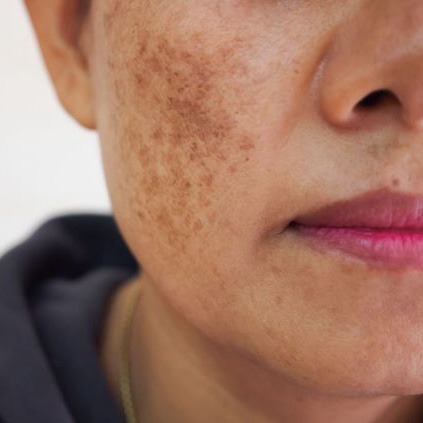
1. Lightening of skin blemishes and melasma
Another advantage of permanent skin whitening treatments is their ability to address the darkening of skin, melasma, and other forms of pigmentation. Hyperpigmentation disorders such as sun spots, age spots, and post-inflammatory hyperpigmentation resulting from acne also contribute to uneven skin tone. Chemical peels, laser therapy, and topical treatments are procedures that address melanin clumps in the skin, either eliminating or minimizing their manifestation. The outcome is that skin becomes less imperfect and blotchy, and imperfections such as pimples and blackheads are less conspicuous.
2. Facial rejuvenation and skin quality
Some permanent skin whitening treatment procedures, like chemical peeling and microdermabrasion, also peel the skin. The former aids in the coming off of the dead skin cells and allows the growth of the new skin. Laser therapy and medifacials also increase collagen formation to enhance skin tone and texture as well as increase firmness and elasticity. This leads to a new look, which gives the skin a smoother and more polished appearance and feel, making the skin look more youthful.
3. Increase in Confidence and Self-esteem
Having a smooth and even skin tone can make some people comfortable with themselves without looking for other people’s approval. Some people want whitening treatments to treat problems such as skin discoloration, acne scars, or melasma, which may lower their confidence level. When these issues are minimized, the person enjoys increased self-esteem and more self-confidence in dressing and other activities that are socially and economically productive. Skincare also leads to improvement in the level of self-esteem since people feel good about their skin.
4. Customized Treatment Options
Dermatologists in Delhi personalize skin whitening treatments based on the patient’s skin type and preferred shade of skin color. They can then opt for several procedures that may include Medi facials, topical creams, and lasers, among others, under the supervision of dermatologists. This makes treatments more effective and resonates with skin type to cater to specific issues a client’s skin may be having. The flexibility of the therapy gives the clients an opportunity to use non-surgical procedures if they do not have the time or desire for surgery or take up more aggressive procedures if they wish to.
5. Long-term effect with due care
While not all these permanent skin whitening treatments and remedies may work forever, most of them do work for a very long time. Laser treatments, chemical peels, and glutathione injections can give impressive and long-term results if used alongside proper care and protection from the sun. Its ability to last long enables many people to reap the fruits of their investment and keeps on minimizing the follow-up efforts.
After permanent skin whitening treatment
It is important to monitor aftercare during skin whitening treatment in Delhi to enhance the accomplishment and decrease side effects. Here are six essential steps for a smooth recovery and lasting outcomes:
1. Sun Protection
Laser treatment also results in skin sensitivity to UV light, thus the importance of applying an SPF. It is necessary to use a broad-spectrum sunscreen with SPF 30 or higher each day, including inside. Pigmentation may reappear, so use sunscreen in combination with protective clothing and hats if you are going out into the sun.
2. Moisturization
Moisturizing the skin enhances the rate of healing. Avoid any fragranced moisturizer to eliminate chances of skin dryness or develop flakes. Search for components such as hyaluronic acid and aloe vera to get rid of redness without side effects. Put on moisturizer frequently to be able to continue having a barrier over sensitive skin.
3. Avoiding Harsh Products
Avoid using any scrubs, retinol, or chemical-acid-based products for at least a couple of weeks following a permanent skin whitening treatment session. They can be too abrasive and interfere with the healing process, leaving skin red or irritated. Minimise the use of soap and avoid scrubbing the skin, as both can irritate the treated areas.
4. Avoiding Heat and Sweat
Avoid anything that makes the skin sweat, including high-intensity exercise, sauna, or hot bath, because sweating is detrimental to the skin and its healing process. This also helps because if you were to, for instance, scratch your skin, letting it cool down would help reduce inflammation and, thus, lead to fast healing.
5. Hands Off the Skin
Avoid contact or manipulation of the rubbing area, and do not scratch, touch, or pick it in case it forms small flakes. This may cause scarring or may develop an infection. Please don’t use any products that might cause skin peeling, as this will lead to uneven skin regeneration to its fullest potential.
6. Taking Expert Advice
Since each skin whitening treatment in the Delhi session is individual, adhere strictly to the aftercare recommendations given by the dermatologist. They may suggest certain day and night creams or changes to your daily skincare regimen and/or schedule another appointment. Following these instructions improves recovery and prevents possible complications that may be associated with the illness.
Safer Alternatives to Permanent Skin Whitening Treatments
To those who are keen on having a fairer complexion or clearing out spots and freckles without having the permanent skin whitening treatment procedure, other options are safer or less harsh on the skin. They offer slow and relatively safe solutions, thus being ideal for people who want to lighten their skin but do not want risky treatments.
1. Brightening Skincare Products
Common OTC creams with vitamin C, kojic acid, niacinamide, and liquorice root extract gradually lighten skin and reduce discolouration. These ingredients suppress melanogenesis, fade pigment, and give the skin a radiant glow. While not as effective as permanent skin whitening treatments, they are affordable and safe for home use.
2. Chemical Exfoliants
Some of the gentle chemical exfoliants are AHAs and BHAs that help shed off the skin cells and, hence, expose brighter skin. AHAs, including glycolic and lactic acids, are effective for skin issues, including pigmentation and uneven skin tone, while BHAs are ideal for oily skin. For them to improve skin tone over time and help maintain a healthier, brighter skin color, especially when used with protection from the sun.
3. Medi facials
Medical facials serve as customized professional permanent skin whitening treatments designed for specific skin issues. Dermatologists may use LED lights, microdermabrasion, or light chemical exfoliation during these facials. Clinics recommend them for concerns such as hyperpigmentation, dullness, and fine lines. Although Medi facials provide a temporary solution, they deliver gradual but noticeable improvements in skin luminosity and overall health with each session.
4. Microdermabrasion
Microdermabrasion is minimally invasive in that it removes the outermost layer of the skin by using a small hand appliance coated with fine crystals or a diamond-head attachment. When scraped off, it leaves the skin tone smoother and brighter and, in addition, fades away the color of the darker skin areas, commonly referred to as spots. This form of skin whitening treatment in Delhi needs frequent sessions to be most effective, yet it is safer than laser and has little to no post-session recovery time.
5. A Change of Lifestyle and Sun Protection
The easiest and one of the most effective strategies to prevent skin discoloration is to avoid sun exposure. The routine application of a sunscreen with at least SPF 30, preferably a broad spectrum product, helps arrest further suntan and also retain an even skin tone. Moreover, getting good hydration, eating foods with antioxidants, and not smoking also contribute to natural-looking skin.
Skin whitening treatment price
Skin bleaching treatments in Delhi range from cheap to expensive, depending on the type of permanent skin whitening treatment price and the clinic to be used. Chemical peels rarely
cost below ₹2,500 or more than ₹50,000 per session, with the costs dependent on the depth as well as the kind of chemical peel that is applied. Laser treatments are more effective and may range between ₹5,000 and ₹30,000 per session, depending on the type of laser to be used and the area that needs to be treated.
Microdermabrasion is comparatively less expensive and ranges from ₹2,000 to ₹5,000 per session and works for the gradual brightness of the skin. Most Medifacials integrate different techniques, and their Skin whitening treatment price per session is relatively less, between ₹3,000 to ₹30,000, conducting multiple skin treatments. Any topical treatment recommended by the dermatologist ranges between ₹2,500 up to ₹100,000 for 1 to 3 months supply, which is cheaper than the instant treatments. The pricing depends on the lot size, and it is recommended that people consult a dermatologist for appropriate pricing, skin whitening treatment before and after, and skin type.
Final Thoughts
Consequently, permanent skin whitening treatment provides different methods to get fairer skin and minimize pigmentation problems. Nowadays, one can opt for chemical peeling, laser treatments, microabrasion, and medical at an affordable cost. The different results may include less improvement, but safer alternatives are better with fewer risks involved. Sun protection, post-care, and consulting a dermatologist are very crucial when seeking the best results. Therefore, educated choices and custom care will mean improved looks and self-esteem as well as skin safety all through the skin-lightening process.
FAQS
What is permanent skin whitening?
Permanent skin whitening, also known as skin bleaching, is a cosmetic procedure that aims to lighten the skin tone by reducing the concentration of melanin, the pigment that gives skin its colour.
Are there any side effects?
Side effects of skin whitening treatment in Delhi can include redness, sensitivity, or hyperpigmentation. Long-term issues might arise if treatments are overused or improperly applied.
How does permanent skin whitening work?
The process often involves the use of chemicals that inhibit the production of melanin. These chemicals can be applied topically or in some cases, administered internally.
Is permanent skin whitening safe?
Like any medical procedure, permanent skin whitening carries risks. These can include skin irritation, allergic reactions, and uneven skin tone. In some cases, more serious side effects like increased risk of skin cancer can occur.
How long does permanent skin whitening treatment last?
The effects of permanent skin whitening can vary greatly depending on the individual’s skin type, the specific treatment used, and how well the individual cares for their skin after the procedure.
Are there any natural alternatives for permanent skin whitening treatment?
Yes, people often use natural ingredients like lemon juice, turmeric, and aloe vera in skin whitening treatments in Delhi to lighten the skin and improve overall tone. However, these methods do not provide the same level of whitening as chemical treatments and take longer to show results.




 Chat on WhatsApp