

Skin Whitening Treatments: Cost, Benefits, and Side Effects
Last Updated on December 20, 2025 by Derma Arts Team
Many people seek skin whitening treatments to achieve a brighter, more even complexion. Skin whitening treatments help lighten dark spots, reduce pigmentation, and enhance overall brightness. This guide will explore different skin whitening treatments, their benefits, potential side effects, and costs. We’ll also cover natural alternatives and provide tips on choosing the right skin whitening treatment for your needs.
Basics of Skin Lightening Treatments
Some of the shapes of skin-lightening products include remedies for a number of skin problems, such as discoloration. These creams and lotions work on the basis of either a reduction of melanin synthesis or the removal of the upper layer of the skin to reveal a layer that is large without coloration.
Topical treatments include creams and serums applied externally on the skin. Dermatologists often use hydroquinone, kojic acid, and vitamin C in skin whitening treatments because these ingredients inhibit melanogenesis or promote skin shedding, resulting in brighter skin.
Chemical Peels: There is also the other common skin whitening treatment called chemical peels, which people like to take. The dermatologist applies a chemical solution to the skin to make a pathway on the skin whereby the upper layers of the skin must peel off. This procedure aids in removing the dead skin cells on the area and assists in generating a new skin layer that is signifying to be lighter in coloration. Dermatologists perform chemical peels at varying levels of intensity, from light to deep, depending on the skin type.
Laser Therapy: Laser therapy, in other words, starts from illuminating Melanin molecules in the skin using a light. Q-switched lasers are more beneficial for the management of the superficial form of hyperpigmentation, while the other forms of hyperpigmentation require deeper penetration by the laser. Both the laser treatments do require few sitting, and other medical care services to maintain the results.
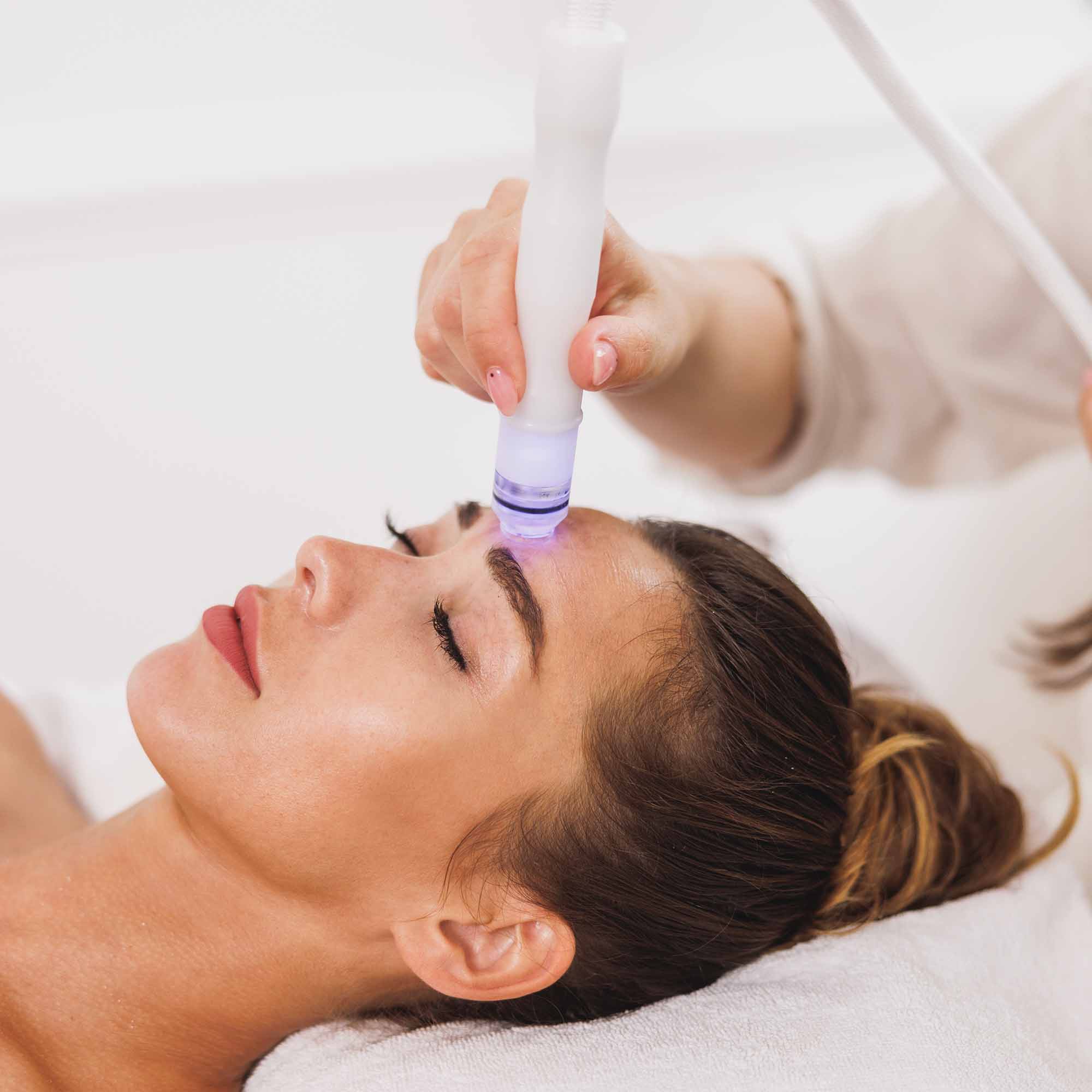
Experts also carry out Medifacials, specialized skin lightening procedures performed by dermatologists or trained technicians. Of them, some are washing, nourishing, and treatments to correct skin colour and texture irregularities—Medi facials, as the name dictates, are in close contact with skin concerns and luminosity.
Permanent Skin Whitening Treatments
Permanent solutions are available in skin whitening treatments that provide longer solutions to the problems. Some of them are laser treatment and glutathione injections.
Laser Treatments: Some of the laser therapies include Q-switched, which selectively reduces melanin in the skin with the help of focused light.
Doctors recommend Q-switched lasers for surface-level skin disorders, while other lasers target deeper skin layers. Patients usually need a series of sittings, and proper aftercare maximizes treatment results.
Dermatologists may prescribe glutathione injections as another skin whitening option. These injections, rich in antioxidants, lighten skin tone by slowing melanin formation. The process often requires multiple sittings, and doctors guide patients on expected effects before starting the treatment.
Chemical Peels
Chemical peeling is amongst the most preferred methods of skin whitening since the treatment is effective in removing dead skin cells. They come in three main types. They come in three main types:
Superficial peels target the outermost skin layer and work best for minor pigmentation concerns. Dermatologists perform these frequently at short intervals.
Medium Peels: These are deeper in the skin to treat mild to moderate pigmentation and surface texture irregularities. While some corrections may take a longer time to heal, they offer permanent results and are more visible.
Deep Peels: A deep peel is much more effective than superficial and medium peels for those wishing to get rid of stubborn areas of pigmentation or considerable skin injury, yet the recovery takes more time. Although they are less preferred, they offer significant changes in skin appearance.
Laser Therapy
Among the skin whitening treatments, Laser therapy is listed to be a high-technology method in its implementation. It operates using light of an extremely high intensity with the aim of destroying the melanin deposits in the skin.
Q-switched Lasers: These lasers produce short bursts of light that dissolve the pigment particles. They are particularly useful in eradicating superficial hyperpigmentation, including liver spots and sun-induced skin damage.
Laser therapy represents a high-technology skin whitening method. Lasers penetrate deeper into the dermis layer, making them effective for deeper pigmentation and capillary issues. They treat a wide range of skin complexion problems effectively.
Microdermabrasion
Microdermabrasion, otherwise known as skin whitening, is a dermatological treatment that involves the removal of the outer skin layer.
Crystal Microdermabrasion: Fine crystals are utilized to buff off the outer layer of the skin. I like it for mild pigmentation. It doesn’t take long for the skin to peel off and heal.
Diamond-Tip Microdermabrasion: Uses a diamond-tipped pen which helps to exert better control when exfoliating. It can be used for almost all skin types and all sorts of problems and offers a high degree of accuracy.
Medi facials
Medifacials are advanced skin whitening treatments performed by professionals. They combine different techniques to improve skin tone and texture.
Types of Medifacials: Include glycolic acid facials, brightening facials, and enzyme peels. They are customized to treat specific concerns like pigmentation and uneven skin tone.
Benefits: Medifacials offer personalized care and can enhance skin brightness, texture, and overall appearance. Regular sessions help maintain a healthy and radiant complexion.
Natural Alternatives to Skin-Lightening Treatments
For a milder approach, consider natural alternatives to skin whitening treatments:
Aloe Vera: Decoding aloe vera for the skin is well known for its skin-calming properties that work against unwanted skin coloration or pigmentation and skin toning. The toners themselves are mild and should pose a few problems for most skin types.
Licorice Extract: Has glabridin that makes it suppress the production of melanin and hence can lighten the skin little by little. They also give natural skin care products a boost by incorporating this compound in the formulation.
Vitamin C: An antioxidant compound that aids in bleaching of skin pigmentation and makes skin color uniform. It is used externally in the form of creams or internally in the form of capsules for a general skin condition.
Turmeric: It contains curcumin, which has anti-inflammatory and skin-lightening effects. In a mask form or food, you can use turmeric for skin issues.
Effects of Skin Whitening Treatments
City dwellers seeking skin whitening treatments can definitely get marked results, but they should be aware of the side effects.
Short-term Effects: Some skin conditions improve, meaning your skin can reach a lighter shade, thus getting rid of the dark spots. Some treatments will result in what are considered conditions of the skin, which include redness, peel, or irritation.
Long-term Results: Sustainability means continuous work and sometimes even repainting of some of the figures obtained. After the treatments should follow the aftercare instructions and avoid exposure to the sun in order to prolong the results.
Side Effects: The side effects may be skin darkening of the skin or skin reddening and skin becoming sensitive to the sun. It is wise to consult a dermatologist in order to decrease the possible risks and choose the treatment most suitable for your skin.
Skin Whitening Treatment Costs
Costs for skin whitening treatments vary based on the type, location, and clinic.
Topical Treatments: Generally affordable, ranging from a few hundred to several thousand rupees. Costs depend on the brand and formulation.
Chemical Peels: Typically range from ₹2,500 to ₹15,000 per session. The price varies based on the peel’s strength and the clinic’s reputation.
Laser Therapy: Can cost between ₹10,000 and ₹50,000 per session. The cost depends on the type of laser, treatment area, and number of sessions required.
Microdermabrasion: Generally costs between ₹3,000 and ₹8,000 per session. Prices may vary based on the technique and clinic.
Medifacials: Usually range from ₹2,500 to ₹7,000 per session. The cost depends on the type of facial and the clinic’s location.
Glutathione Injections: Cost between ₹5,000 and ₹15,000 per injection. The price depends on the dosage and clinic.
Conclusion
Skin whitening treatments in Delhi provide a range of options to achieve a brighter, more even complexion. From topical solutions and chemical peels to advanced methods like laser therapy and glutathione injections, each skin whitening treatment has its benefits, costs, and potential side effects. Natural alternatives offer a milder approach to skin lightening. To find the right skin whitening treatment for your needs, consult with a dermatologist who can help you choose the most suitable option based on your skin type and concerns. With proper care and maintenance, you can enjoy a more radiant and even skin tone.




 Chat on WhatsApp